
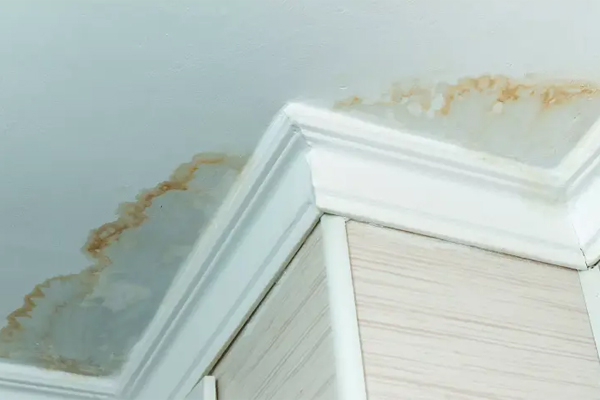
Walk into a beautifully designed home and it’s easy to be impressed. Clean lines, thoughtful lighting, curated materials, and a layout that feels just right. But fast-forward a few years, and many of these same homes begin to show signs of distress—peeling paint, damp patches, warped wood, electrical issues, even structural cracks.
What went wrong?
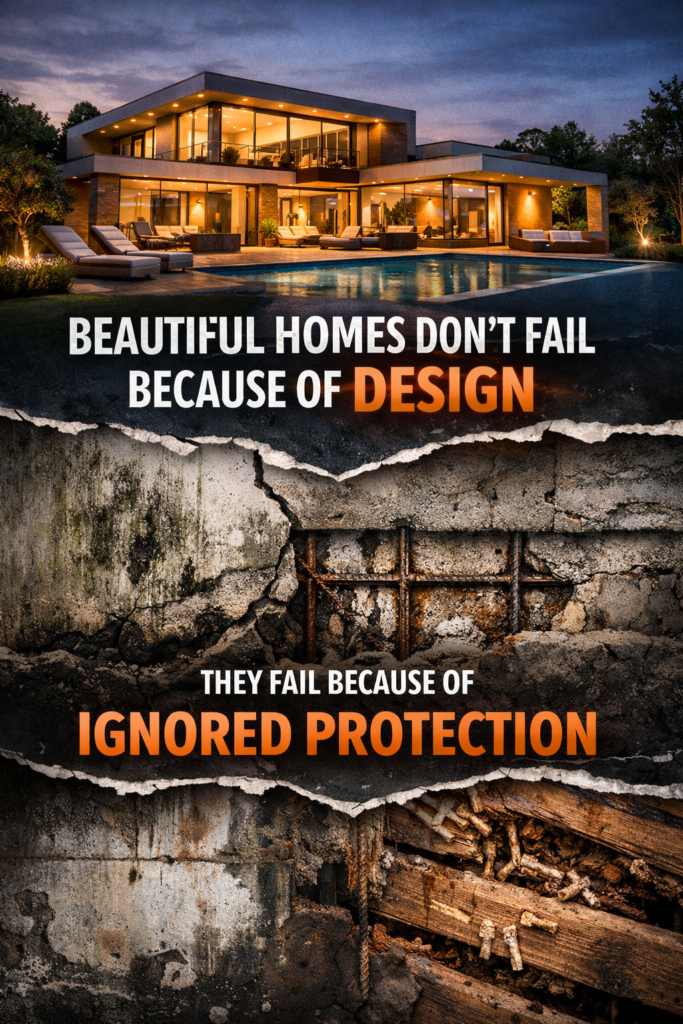
More often than not, it isn’t the design that failed. It’s the protection that was overlooked.
The Illusion of Design Perfection
Design is visible. It’s what homeowners, guests, and even architects focus on during the planning phase. Floor plans, finishes, colors, and furniture dominate conversations. Protection, on the other hand, is mostly invisible. It lives behind walls, under floors, and above ceilings.
Because it isn’t immediately seen or felt, it’s often minimized, delayed, or cut to reduce costs. This is where the problem begins.
A home can be perfectly designed on paper and still fail in reality if it isn’t protected against the forces it will face every single day—water, heat, pests, load stress, and time.
The Silent Enemies of a Home
Every home is constantly under attack from elements that don’t care how beautiful it looks.
- Water is the biggest culprit. Poor waterproofing leads to seepage, mold, and structural damage. A minor leak can silently spread through walls and slabs, weakening the building from within.
- Heat and weather gradually degrade materials. Without proper insulation and weatherproofing, surfaces crack, fade, and lose strength.
- Pests, especially termites, can destroy wooden elements long before the damage becomes visible.
- Electrical risks from poor planning or substandard protection can turn into safety hazards.
- Structural stress from improper load distribution or ignored soil conditions can lead to cracks and long-term instability.
None of these issues announce themselves early. They build quietly until repair becomes costly and sometimes irreversible.
Why Protection Gets Ignored
There are a few common reasons:
- It doesn’t add immediate visual appeal
- It increases upfront costs
- It’s difficult for homeowners to evaluate or understand
- It’s often treated as a secondary phase instead of a core part of design
But this mindset is short-sighted. Skipping protection doesn’t save money—it postpones a much bigger expense.
Protection Is Design, Not an Add-On
The most resilient homes are not the ones with the fanciest finishes—they’re the ones where protection is integrated into the design from the start.
A well-designed home should already account for:
- Effective drainage and water flow
- High-quality waterproofing in critical areas
- Proper ventilation to prevent moisture buildup
- Termite and pest control systems
- Safe and future-ready electrical layouts
- Structural planning based on site conditions
- Materials chosen not just for looks, but for durability
When protection is built into the design, it doesn’t compromise aesthetics—it enhances longevity.
The True Cost of Ignoring Protection
Cutting corners in protection may reduce initial expenses, but the long-term cost is far greater. Repairs, replacements, health risks from mold, and even structural rehabilitation can quickly outweigh any early savings.
More importantly, it affects peace of mind. A home should feel secure, not like a ticking maintenance problem.
Building Homes That Last
A beautiful home isn’t just one that looks good today it’s one that continues to perform, protect, and comfort over years and decades.
That requires a shift in thinking:
- Prioritize what’s behind the walls as much as what’s on them
- Ask the right questions during planning and construction
- Invest in quality protection systems early
- Treat durability as a design goal, not a technical detail
Conclusion
Design creates the first impression. Protection ensures it lasts.
Because in the end, a truly beautiful home isn’t just seen, it endures.