
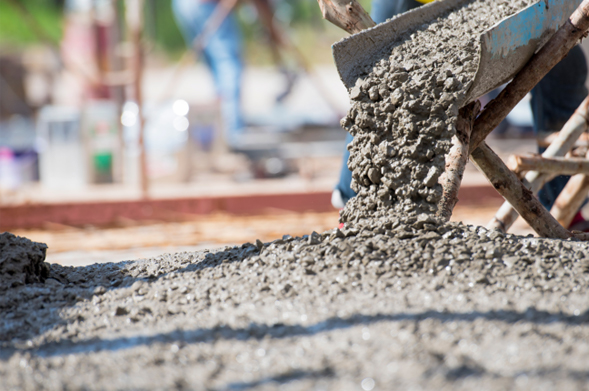
Concrete grade selection is critical for durability, especially when structures are exposed to different environmental conditions like moisture, chemicals, and weather.
Exposure Conditions as per IS 456:2000
The code classifies exposure into 5 categories:
1. Mild Exposure
Conditions:
- Dry interiors
- Low humidity
- No aggressive environment
Examples:
- Residential rooms
- Waterproof membranes (PU / Acrylic / Bituminous)
Minimum Grade:
- M20
2. Moderate Exposure
Conditions:
- Occasional wetting and drying
- External surfaces sheltered from heavy rain
Examples:
- External walls with plaster
- Sheltered slabs
Minimum Grade:
- M25
3. Severe Exposure
Conditions:
- Frequent wetting and drying
- Alternate wet and dry cycles
Examples:
- Roof slabs
- Bathrooms
- External plastered surfaces
Minimum Grade:
- M30
4. Very Severe Exposure
Conditions:
- Exposure to seawater, coastal environment
- Aggressive chemicals
Examples:
- Coastal structures
- Industrial buildings
- Water-retaining structures
Minimum Grade:
- M35
5. Extreme Exposure
Conditions:
- Constant contact with aggressive substances
- Severe chemical attack
Examples:
- Marine structures
- Sewage treatment plants
- Chemical factories
Minimum Grade:
- M40
Summary Table
| Exposure Condition | Environment Type | Minimum Grade |
|---|---|---|
| Mild | Indoor / Dry | M20 |
| Moderate | Outdoor (protected) | M25 |
| Severe | Wet-dry cycles | M30 |
| Very Severe | Coastal / Industrial | M35 |
| Extreme | Marine / Chemical exposure | M40 |
Important Notes
Grade selection must be combined with:
- Proper water-cement ratio
- Adequate cover to reinforcement
- Good compaction & curing
Higher grade may be required based on design and durability requirements.
Conclusion
“Concrete strength alone does not ensure durability, exposure conditions, workmanship, and best waterproofing play an equally critical role.”
“A strong building isn’t just about concrete, it’s about how well it’s protected from water.”