
1. Introduction
Waterproofing is one of the most crucial aspects of construction that protects buildings from water ingress, structural damage, and long-term deterioration. Identifying and treating critical areas ensures durability, safety, and cost savings.
2. Why Waterproofing is Critical
- Prevents structural damage
- Avoids corrosion of reinforcement
- Stops leakage and dampness
- Enhances building life
- Reduces maintenance costs
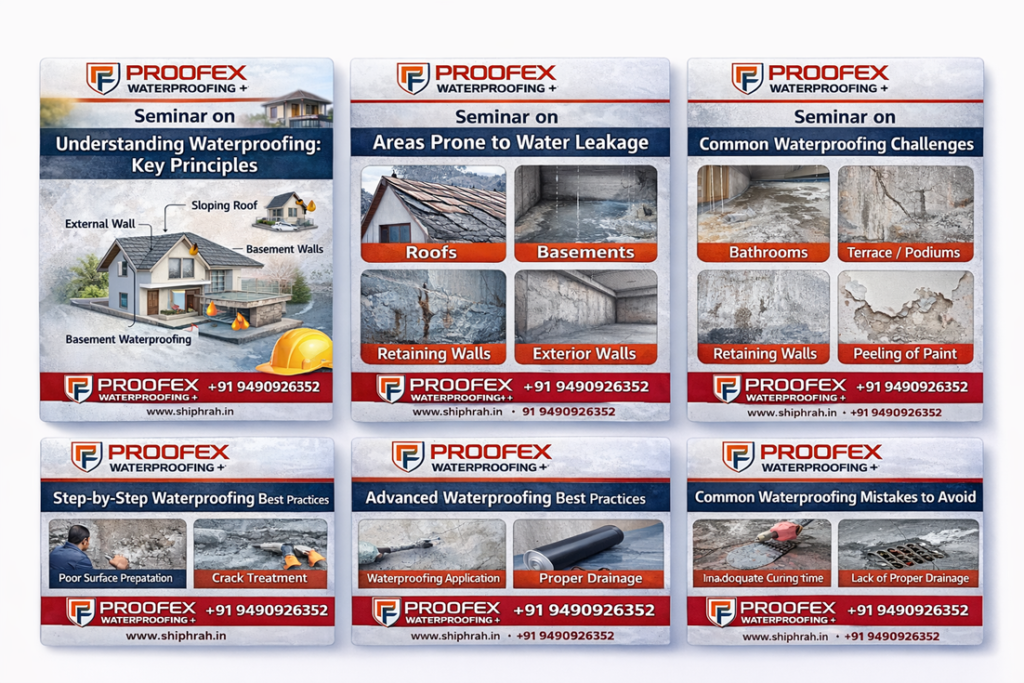
3. Critical Areas of Waterproofing in Buildings
A. Roof / Terrace
Most exposed area to weather
Common Issues:
- Water ponding
- Cracks due to thermal expansion
- Membrane failure
Solutions:
- Proper slope (1:100 minimum)
- Waterproof membranes (PU / Acrylic / Bituminous)
- Expansion joint treatment
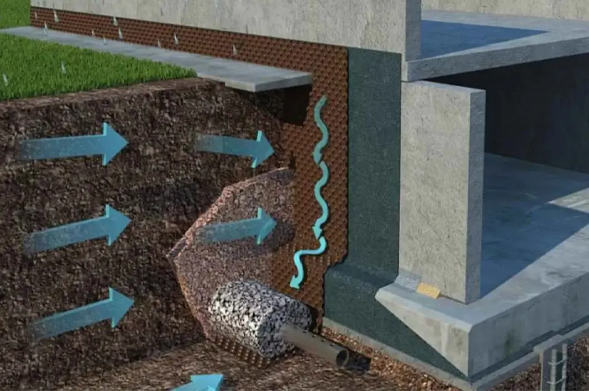
B. Basement & Foundation
Below-ground water pressure zone
Common Issues:
- Seepage through walls and joints
- Hydrostatic pressure
- Dampness
Solutions:
- Positive & negative waterproofing
- Crystalline coatings
- Injection grouting
- Drainage systems
C. Bathrooms & Wet Areas
High internal water exposure
Common Issues:
- Tile joint leakage
- Pipe leakage
- Floor-to-wall junction cracks
Solutions:
- Flexible waterproof coatings
- Proper slope towards drain
- Joint sealing
- Waterproofing before tiling
D. External Walls (Façade)
Direct rain impact area
Common Issues:
- Cracks
- Porosity in plaster
- Paint peeling
Solutions:
- Elastomeric coatings
- Crack filling
- Water-repellent treatments
E. Water Tanks (Overhead & Underground)
Continuous water exposure
Common Issues:
- Leakage through joints
- Concrete cracks
- Contamination risk
Solutions:
- Food-grade waterproof coatings
- Joint sealing
- Crystalline waterproofing
F. Balconies & Podiums
Combination of weather + usage stress
Common Issues:
- Drain blockage
- Tile leakage
- Structural cracks
Solutions:
- Proper drainage slope
- Membrane waterproofing
- Tile joint treatment
G. Retaining Walls
Soil + water pressure zone
Common Issues:
- Seepage from soil side
- Damp patches
- Structural weakening
Solutions:
- HDPE membranes
- Drain boards
- Weep holes
4. Most Vulnerable Junctions
These are high-risk leakage points:
- Expansion joints
- Construction joints
- Pipe penetrations
- Wall-floor junctions
- Parapet wall joints
5. Common Waterproofing Failures
- Poor surface preparation
- Use of wrong materials
- Lack of slope
- Improper application
- No curing
- Unskilled workmanship
6. Best Practices for Waterproofing
- Detailed site inspection (moisture meter, testing)
- Proper surface preparation
- Use of high-quality materials
- Skilled application
- Quality control checks
- Regular maintenance
7. Modern Waterproofing Technologies
- Polyurethane (PU) coatings
- Crystalline waterproofing
- Injection grouting
- Hybrid systems
- Cementitious flexible coatings
Conclusion
Specialist Waterproofing is not just an additional feature, it is a critical investment in building safety and longevity. Focusing on key areas and using professional execution ensures a leak-free and durable structure.